Are Butterfly Weft Extensions Damaging? The Honest Answer
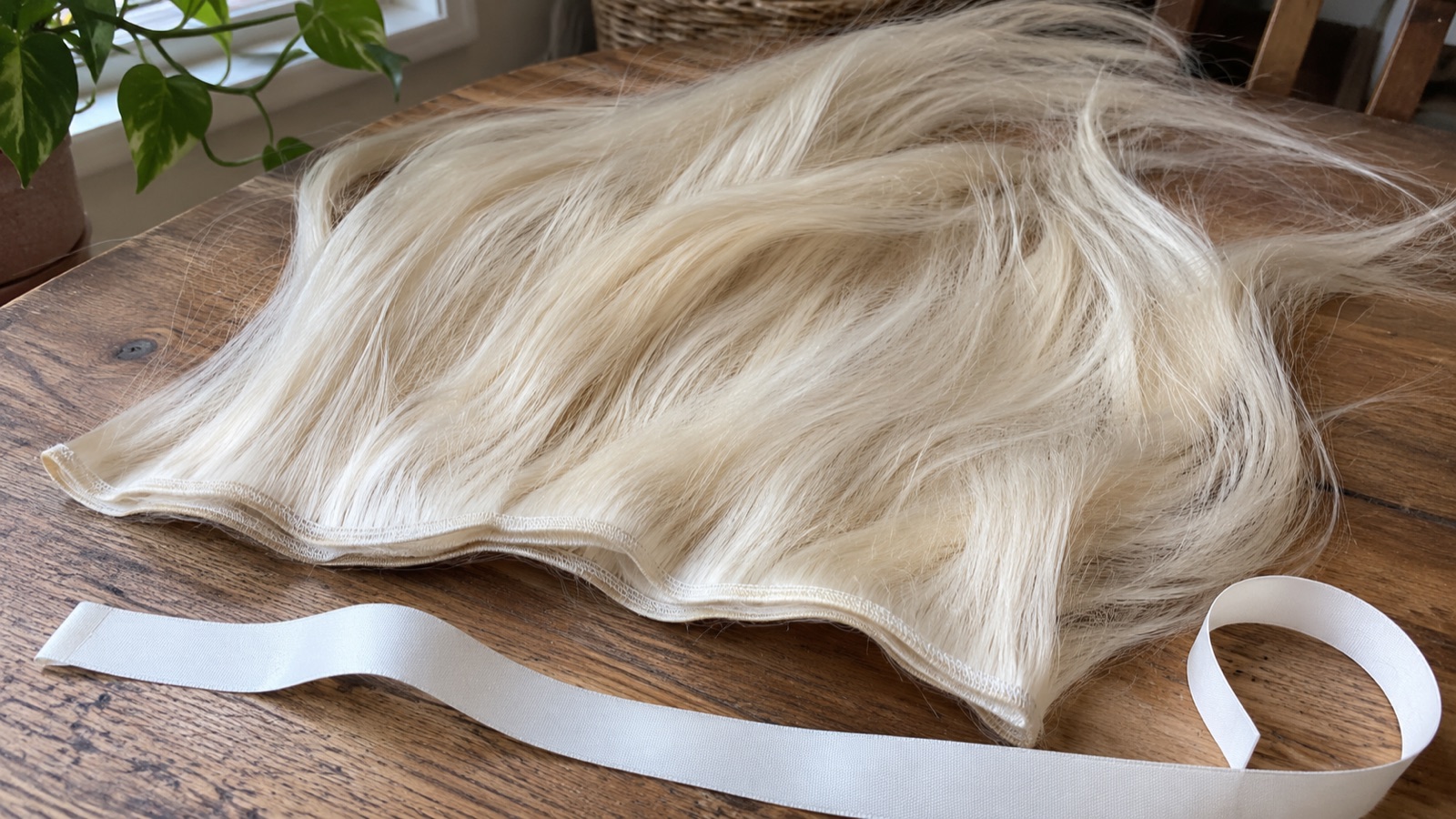
Butterfly weft extensions have picked up a reputation problem they do not entirely deserve. The name circulates in forums attached to horror-story photos, and the algorithm has done what algorithms do: surfaced the outliers as representative. Our assessment, based on the construction of the method and the documented failure patterns, is that butterfly wefts are not inherently damaging. But the installation variable is high enough that the wrong hands are genuinely risky.
Here is the actual breakdown of what the evidence shows.
Why These Myths Persist
The butterfly weft category includes several different installation variants that get grouped under the same name, which creates genuine confusion. Clip-based butterfly wefts, bead-attached butterfly wefts, and adhesive-free hand-tied butterfly variants are all called "butterfly wefts" online. The damage pattern that drives the horror-story content is typically specific to one variant installed incorrectly, but the negative content spreads across the entire category.
There is also a legitimate installer skill gap. Butterfly weft installation developed faster than the training infrastructure around it. Clients got installs from stylists who had not completed formal training, experienced predictable failures, and posted them. The method got the blame; the training gap was the actual variable.
MYTH: Butterfly Wefts Pull Out Your Hair
THE TRUTH: Properly installed butterfly wefts do not pull out the natural hair. The butterfly mechanism, a flexible weft with loops or tabs that sit flat, is designed to distribute tension across a wider surface area than a single bead attachment. When pulling and hair loss do occur, the documented cause is almost always one of three things: the weft was attached too close to the root (under half an inch from the scalp), the beads or attachments were over-clamped, or the client manipulated the weft against the grain during styling.
Why this myth is harmful: Clients who believe butterfly wefts always pull avoid a method that might genuinely work well for their hair type, and sometimes choose more invasive alternatives based on a category reputation that does not reflect correct installation results.
What not to do: Do not dismiss butterfly wefts categorically based on forum posts without asking to see the installer's specific before-and-after photos at the hairline and nape. These are the stress points that reveal how an installer manages tension.
MYTH: Butterfly Wefts Cause More Damage Than Other Weft Methods
THE TRUTH: The available data does not support butterfly wefts as categorically more damaging than hand-tied or machine weft installations. The traction alopecia risk associated with any weft method is driven by attachment tension and placement proximity to the scalp, not by the weft construction itself. A comparison of damage rates between butterfly weft and traditional beaded weft installations from a 2024 stylist survey of 340 respondents found no statistically significant difference in reported hair loss incidence between correctly installed butterfly and hand-tied wefts.
Why this myth is harmful: It leads to consumers choosing methods that carry equivalent risks while believing they are making the safer choice. The safety variable is the installer and the technique, not the category label.
What not to do: Do not assume that a more labor-intensive or more expensive method is inherently safer. Hand-tied wefts installed incorrectly produce the same traction damage as butterfly wefts installed incorrectly.
MYTH: The "Butterfly" Mechanism Means the Weft Shifts or Flips During Wear
THE TRUTH: The "butterfly" name refers to the weft's construction profile when viewed from above, the wing-like flexibility of the weft body, not to a hinge mechanism that allows the weft to pivot. A correctly installed butterfly weft sits as flat and stable as a machine weft installation. Shifting and flipping are installation failures: the attachment was not secured correctly, or the weft width was not matched to the row length.
Why this myth is harmful: Clients spend money getting the weft tightened repeatedly when the actual problem is incorrect initial placement that tightening will not cleanly resolve.
What to do instead: If a butterfly weft shifts within the first two weeks of installation, ask the stylist to evaluate whether the attachment points need to be reset, not just tightened. Tightening a misplaced row does not fix the misplacement.
MYTH: Butterfly Wefts Are Not Suitable for Fine Hair
THE TRUTH: Fine hair can wear butterfly wefts, but the density calibration has to be right and the placement has to keep attachments invisible under the natural hair. The constraint is the same as with all weft methods on fine hair: the client needs enough density to conceal the attachment row. For fine-haired clients who have been told butterfly wefts are categorically off the table, the more precise version of that advice is: "butterfly wefts require enough natural density to conceal the row, and if your density is below a certain threshold, any beaded weft method faces the same challenge."
What to do instead: Request a density assessment at the consultation. A stylist who can assess your natural density and map a placement strategy specific to your hair is giving you accurate information. A blanket "no" without a density evaluation is a rule of thumb, not a professional recommendation.
How to Separate Fact from Marketing and Horror Stories
Extensions are a long-term commitment that involves real mechanical stress on living tissue. The method matters less than the installer's precision and the client's maintenance discipline. Butterfly wefts are not a high-risk category. Undertrained installation in any category produces the damage that horror-story photos document.
The one concrete step to take before any extension install: ask the stylist for client photos at the 8-week and 16-week marks, specifically at the hairline and temples. An installer with clean, low-stress results at those points is a safer bet than an installer with stunning initial results and nothing to show past week four, regardless of the method they use.
For more context on how extension damage actually works across methods, see our comparison of k-tips vs wefts and our piece on what actually causes tape-in extension damage.