Why Extension-Friendly Shampoo Is Mostly a Marketing Label
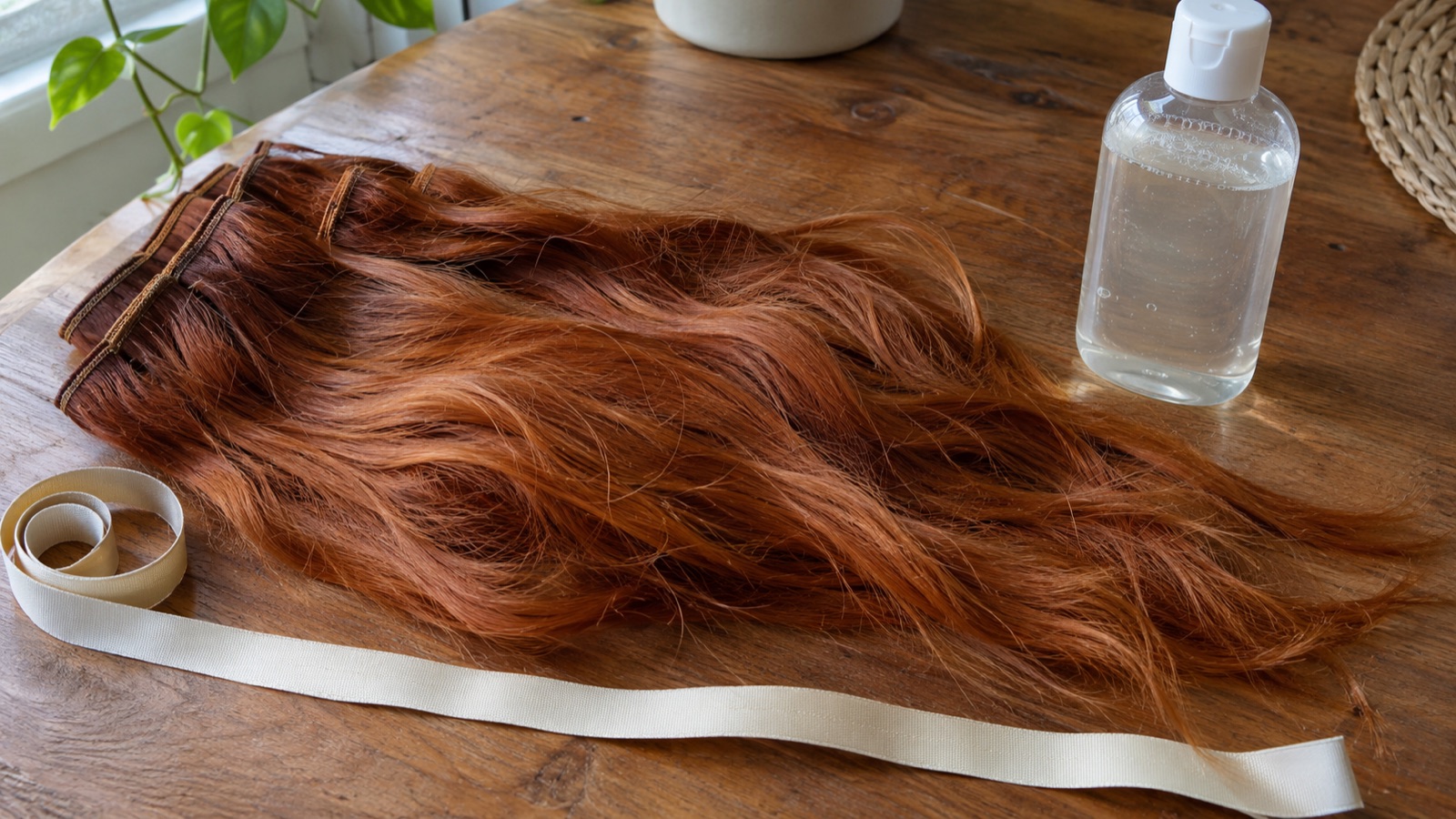
The extension-friendly shampoo category is, in large part, a marketing invention. The claims are real. The products behind them are, in most cases, standard shampoo formulations with a different label and a higher price point. Before you spend $38 on a bottle of something that promises to extend your set's longevity, here is what is actually true about shampoo and hair extensions — and what is not.
The Myth: "Extension-Friendly" Is a Regulated Category
It is not. There is no third-party standard, no industry body, and no regulatory definition for what makes a shampoo "extension-friendly" or "extension-safe." Any brand can apply either term to any product without meeting a defined formulation threshold. This is not controversial — it is simply how personal care product labeling works. The category exists because consumers search for it, not because it describes a meaningfully different type of product.
What Shampoo Actually Does to Extensions
Two ingredients categories genuinely matter for extension longevity: sulfates and silicones.
Sulfates — primarily sodium lauryl sulfate and sodium laureth sulfate — are surfactants that strip oil from the hair shaft. They are effective at cleaning. They are also effective at removing the small amount of coating on extension hair that contributes to softness and manageability. Over repeated washes, high-sulfate formulas on extension hair produce a dryness and roughness that is distinct from the original hair texture. This is real. Sulfates do affect extension hair, and a low-sulfate or sulfate-free formula is a legitimate preference for extension wearers.
Silicones are a different problem. Many shampoos — including many products marketed as extension-friendly — include silicone derivatives that coat the hair shaft and create a softness that feels like conditioning but is actually buildup. On extension hair, silicone buildup accumulates faster than on natural hair because extension hair has no scalp sebum production to create a natural counterbalance. Heavy silicone buildup eventually makes extension hair feel waxy, heavy, and difficult to style. The irony: a number of bestselling "extension-friendly" products contain silicones.
Alcohols in styling products and some shampoo/conditioner formulations dry extension hair over time. High concentrations of denatured alcohol or isopropyl alcohol are worth avoiding.
What the Label Does Not Tell You
The "extension-friendly" label typically does not tell you the sulfate content, the silicone profile, or whether the formula has been tested on extension hair by anyone other than the brand itself. The marketing language is almost always about what the product lacks ("sulfate-free," "silicone-free") rather than what it contains, and even then the claims are often narrow — a product can be sodium lauryl sulfate-free while still containing other sulfate variants.
The practical test: read the ingredient list. A genuinely low-irritant, low-stripping shampoo will not have sodium lauryl sulfate, sodium laureth sulfate, or ammonium lauryl sulfate in the first five ingredients. It will not contain heavy silicones (dimethicone, cyclopentasiloxane, amodimethicone) unless they appear very late in the ingredient list. Anything else the label says is secondary to these two checks.
The Products That Actually Help
The products most consistently cited by extension stylists as genuinely beneficial are not always marketed specifically at extension wearers. Several professional-grade clarifying shampoos — used once per month to clear buildup — do more for extension hair longevity than a daily "extension-friendly" shampoo that includes silicones. A lightweight leave-in conditioner applied mid-lengths and ends after every wash genuinely extends the life of extension hair. Neither of these is an expensive insight. A professional clarifying shampoo typically costs less than an extension-branded daily shampoo.
The One Thing That Actually Matters at Wash Time
How you wash matters more than what you wash with. Scrubbing, bundling, or piling extension hair on top of the head during washing causes mechanical damage and tangling that no shampoo formula can reverse. The correct technique: dilute shampoo in water before applying, work it through the hair in a downward stroking motion, and rinse with water flowing in the same downward direction. This reduces friction at the attachment points and prevents tangling during the wash. Done correctly with a mid-range sulfate-free shampoo, this technique outperforms the best "extension-friendly" product used with the wrong wash method.
Our Verdict
The "extension-friendly" label is a marketing category, not a performance category. Read ingredient lists. Avoid high-sulfate and high-silicone formulas. Prioritize wash technique over product selection. Monthly clarifying is more valuable than daily extension-branded shampoo.
If a product you are currently using does not have sulfates or heavy silicones in the first half of its ingredient list, you probably do not need to replace it with something that costs three times as much because the label says "extension-friendly."